
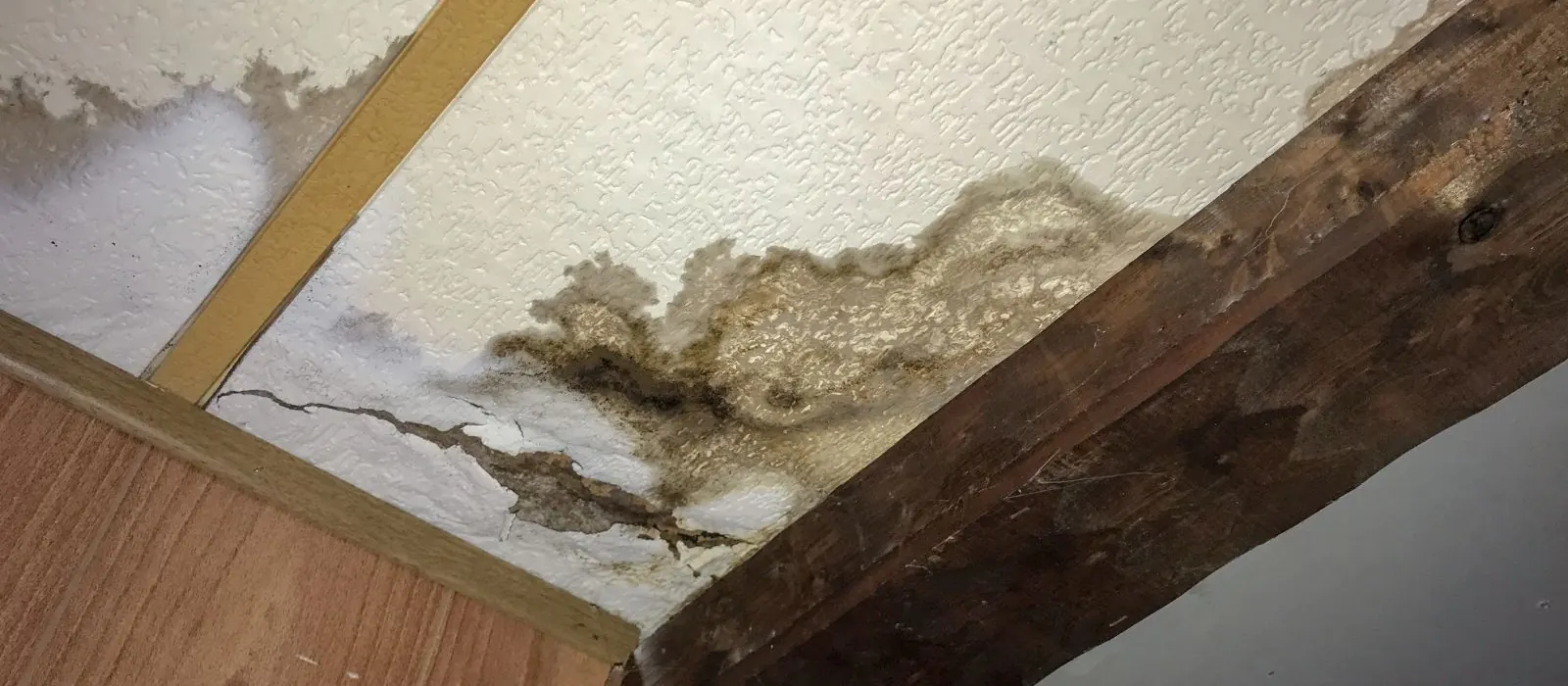
A roof leak usually announces itself in the ceiling. A brown ring appears, then a drip, then a bulge that holds a surprising amount of water. This page covers what happens inside the house once rain has gotten through the roof: the water extraction, the drying and the cleanup. Roofers repair and replace roofs, and we do not. Call (760) 769-1159 when the water is already inside.
How roof leaks happen in Apple Valley
Apple Valley does not get much rain, but the roofs here take a beating from other things. The Town of Apple Valley community profile counts an average of 350 sunny days a year and summer highs up to 110 degrees. That heat bakes flashing sealant, cracks roof cement and makes shingles brittle, so a roof can look fine until the first real storm finds the weak point.
The Town general plan flooding element describes three storm types: winter storms that usually occur between November and April, local thunderstorms and summer or early fall tropical storms. The National Weather Service documented torrential rain from Tropical Storm Hilary across mountain and desert communities in August 2023. Hard rain on a dry, aged roof is the classic recipe for a leak.
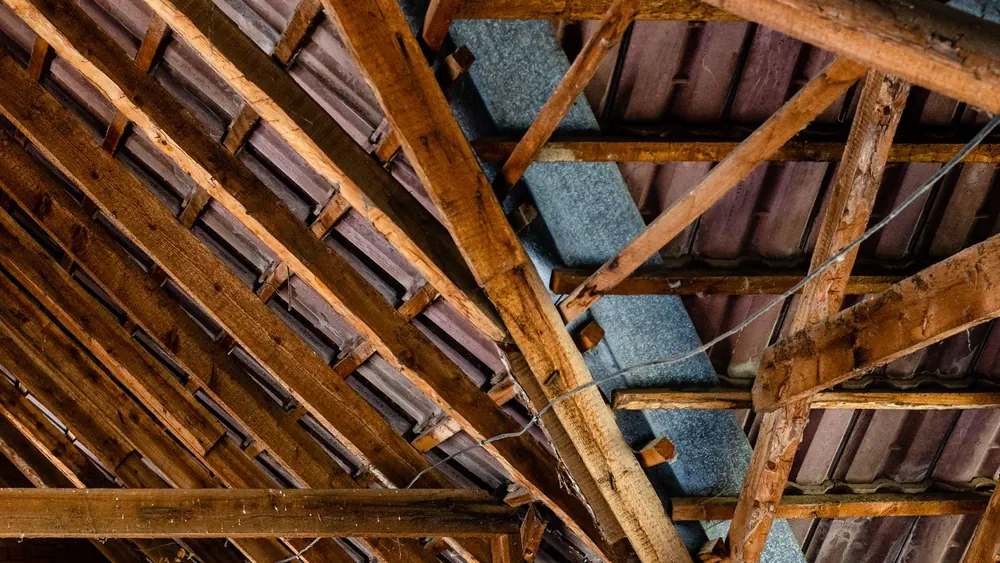
Common entry points are valleys, vent pipes, chimney flashing, skylights, tile that has slipped and the edge where a patio cover meets the house. Flat and low-slope roofs hold water, so a small crack becomes a steady drip. Water often travels along a rafter and appears a few feet from the real hole.
Signs of a roof leak inside the house
| What you notice | What it usually means |
|---|---|
| A brown ring on the ceiling that spreads after rain | Water has entered above and soaked the drywall |
| A bulge or sag in the ceiling | Water is pooled on top of the drywall and could release suddenly |
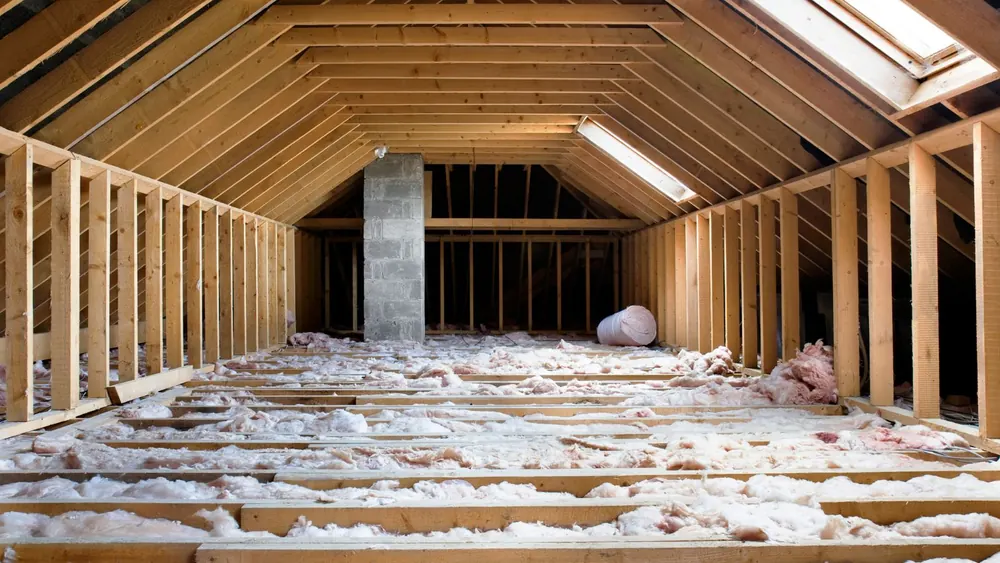
| Wet or matted attic insulation | The leak has been active, and insulation is holding water against the ceiling |
| A musty smell in a closet or upstairs room after storms | Hidden moisture and possible mold growth |
| Stained trim or window frames below a roof edge | Water running down the wall cavity from above |
The stain is only the visible part of the loss. The work that matters is drying the structure and cleaning up what the water reached. The EPA mold guide lists roof leaks above ceiling tiles as a common hidden source of mold growth, which is why the attic side gets checked too.
First-hour safety steps for a roof leak
Stay out from under a bulging ceiling
A sagging ceiling can hold many gallons and release without warning. Do not stand under it. If light fixtures or fans are in the wet area, leave them off, and shut off the breaker only if the panel is dry and reachable.
- Move people and belongings away from the wet area and cover furniture with plastic.
- Place buckets under active drips, and use a screwdriver to puncture a bulge only if you can stand clear and catch the water.
- Turn off power to lights and outlets in the wet area if you can do so safely.
- Photograph the ceiling, the attic if you can see it safely and any damaged belongings.
- Call a roofer for a tarp or temporary repair, because the California Department of Insurance advises making reasonable temporary repairs to prevent more damage.
Ceiling bulging or dripping?
Call (760) 769-1159 any hour. Dispatch is open 24/7.
How we handle a roof leak loss
We start with moisture meters and a thermal camera to map the wet area, which is often larger than the stain. Water is drained from the ceiling, wet insulation is removed and drywall is cut only where it is saturated or sagging. Attic framing and subfloor are dried too, since water follows the lumber.
Air movers and LGR dehumidifiers dry what remains, and HEPA air filtration is used when material is removed from a damp ceiling. ANSI/IICRC S500 is the published standard for water damage restoration, and we use it as our drying reference. Readings are taken again at each visit.
See water damage cleanup for the removal and sanitizing stage. If the ceiling is ready for rebuilding, water damage repair covers the finish work.
What changes the cost of roof leak cleanup
- The size of the ceiling and attic area that got wet
- How long the leak ran before it was noticed
- Whether insulation is fiberglass or blown-in, since blown-in is harder to remove
- Ceiling texture and height, which affect access and repair
- Whether mold growth is already visible and needs inspection
- Roof repair itself, which is a separate contractor and a separate cost
Insurance and roof leaks
Policies usually cover water damage from a sudden storm opening in the roof and exclude damage from a roof that was worn out or poorly maintained. Insurers often ask when the leak began, so photos with dates and a written scope matter. The roof repair and the interior damage may be handled as separate parts of the claim.
Your insurer decides coverage, and we do not approve claims. The California Department of Insurance advises keeping receipts for temporary repairs and keeping a log of every call with your insurer.
Mistakes to avoid and prevention for roof leaks
- Painting over the stain before the leak is fixed and the ceiling is dry
- Ignoring a small stain because it only shows up after storms
- Climbing on a wet or tile roof to look for the leak yourself
- Leaving wet attic insulation in place
- Skipping an annual roof check before the winter storm season
Roof checks before November and after a hard summer storm cost little compared with a ceiling replacement. Clearing debris from valleys and checking flashing are the best places to start.
Roof leak help across the High Desert
Crews work in 92307, 92308 and the nearby cities of Victorville, Hesperia and Adelanto. For a permit question on reroofing or repair work, the Town of Apple Valley Building and Safety division handles plan review and inspections through its Permit Center.
Frequently asked questions
Is emergency roof leak water damage cleanup available in Apple Valley?
Yes. Dispatch is open 24 hours a day. A crew is sent the same day when one is available, and the dispatcher tells you what to do with the water while you wait. We do not promise an arrival time.
Do you repair roofs?
No. Roofers repair roofs. We remove interior water, dry the ceiling, attic and framing, and clean up the damage the leak caused.
Should I pop a bulging ceiling?
Only if you can stand clear and catch the water with a bucket. A bulge can release suddenly, so do not stand beneath it.
Will insurance cover a roof leak?
Sudden storm damage is often covered. Wear, age and lack of maintenance often are not. Your insurer decides, and we supply photos, readings and a written scope.
How do I know the attic is wet?
Matted insulation, dark framing and a musty smell are signs. Moisture meters and a thermal camera confirm it without tearing everything open.