
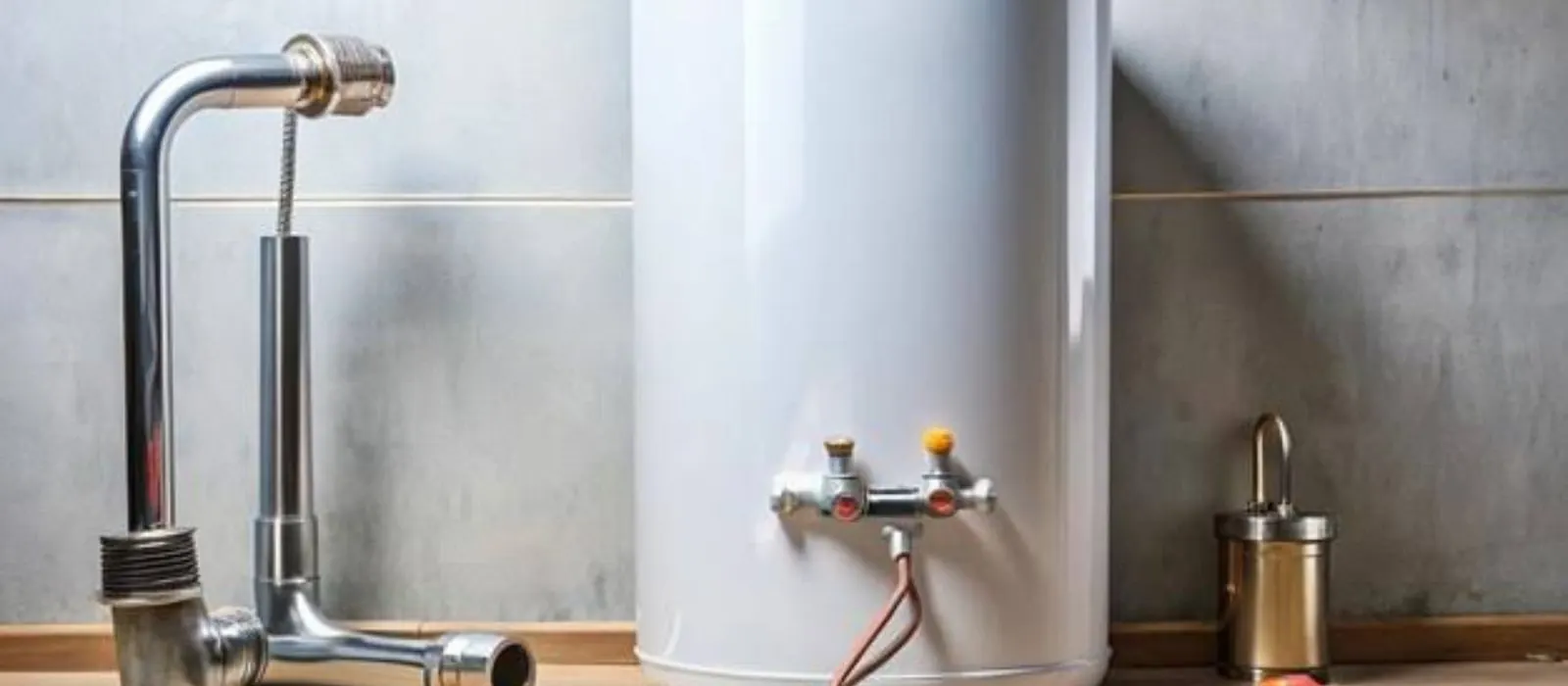
A water heater leak comes in two forms. Some tanks fail all at once and put the whole contents on the floor. Others weep slowly from a fitting, a drain valve or a corroded tank bottom, and the damage builds for weeks. Either way, the water ends up in the garage slab, the wall behind the tank and the flooring that borders the closet. Call (760) 769-1159 if water is already on the floor.
How water heater leaks happen in Apple Valley homes
Tanks wear out from the inside. The anode rod is a sacrificial part that protects the steel, and once it is used up the tank starts to corrode and eventually leaks at the seams. Sediment collects on the bottom, hot spots form and the steel weakens. Many tanks are tucked into garages and utility closets where nobody looks at them until the floor is wet.
California requires that water heaters be braced, anchored or strapped to resist earthquake movement. That rule appears in California Health and Safety Code section 19211, and it also covers replacement heaters. A strapped tank that shifts in a quake can stress its supply lines, which is one reason connections get checked after a shake. Garage and closet installs are the most common.
Heat plays a part too. The Town of Apple Valley community profile lists summer temperatures that reach 110 degrees. A tank in an uninsulated garage runs in a hot room for months, and rubber hoses and plastic fittings age faster in that heat. Roughly seven in ten Apple Valley households own their homes, per the Census Bureau QuickFacts, so a leak usually falls on the owner to catch.
Signs a water heater is leaking
| What you notice | What it usually means |
|---|---|
| Water pooled around the base of the tank | A tank failure or a leaking drain valve |
| Dripping from the relief valve discharge pipe | Pressure or temperature relief, which can signal a failing tank or high pressure |
| Rust streaks on the tank or at fittings | A slow weep that has been running for some time |
| Warped baseboard or flooring near the closet | Water has traveled out of the tank area and into adjacent rooms |
| Rusty or discolored hot water | Corrosion inside the tank |
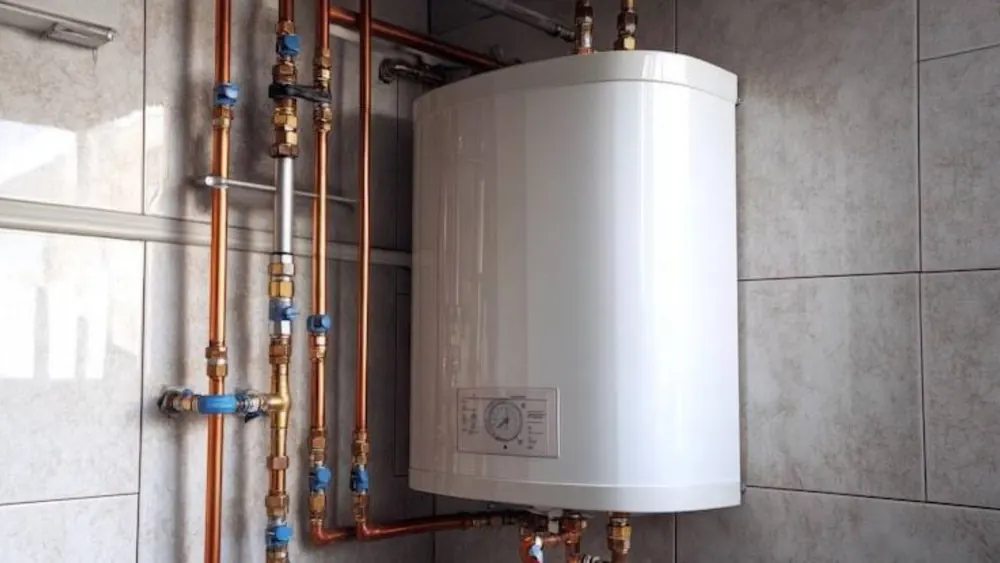
First-hour safety steps for a leaking water heater
Power and gas first
Turn off the power to an electric heater at the breaker only if the panel is dry. For a gas unit, turn the control to pilot or off. Do not touch a tank that is hot, and do not stand in water near an electrical connection.
- Close the cold water supply valve on the pipe above the tank. If it does not close, shut the main valve.
- Turn off power or gas to the heater so the tank does not heat while empty.
- Open a hot tap in the house to relieve pressure and slow the leak.
- Keep people and pets out of the water if it is near outlets, cords or the panel.
- Photograph the tank, the label and the wet area, then call. A plumber will replace the unit, and the California Department of Insurance advises keeping a log of your calls.
Tank failed or leaking?
Shut the supply, then call (760) 769-1159. Dispatch answers all hours.
How we clean up a water heater loss
Standing water is removed first with wet vacuums, portable extractors or submersible pumps, depending on how much came out. Then moisture meters and a thermal camera find what the water reached. Tank water is usually clean supply water, but it still sits in the wall plate, in carpet pad and under baseboards.
Wet baseboard, drywall bottoms and soaked pad are removed where readings call for it. Air movers and LGR dehumidifiers run until readings reach the dry standard. ANSI/IICRC S500, the published standard for water damage restoration, is the reference for that drying. A plumber replaces the heater, and we coordinate so the equipment is not in the way.
For larger spreads into living areas, water mitigation explains how structural drying is staged. Emergency water removal covers the extraction step in more detail.
What changes the cost of a water heater leak
- Whether the tank released all of its water or leaked slowly over weeks
- The floor type in the garage, closet and adjoining rooms
- Whether drywall and baseboard behind the tank are wet
- How far the water traveled across the slab or floor
- The number of drying days and the amount of equipment
- Access around a tank set in a tight closet or attic platform
The heater replacement is a plumber cost and is separate from the drying and cleanup. We explain scope and price before work starts.
Insurance and water heater leaks
A sudden tank failure is often covered under a homeowners or renters policy for the resulting water damage, while the heater itself is usually not. A slow leak that ran for months is far more likely to be excluded as gradual damage. The age of the tank and the timeline you can document both matter.
Your insurer decides coverage. Photos of the tank label, the wet area and moisture readings give the adjuster something concrete to review.
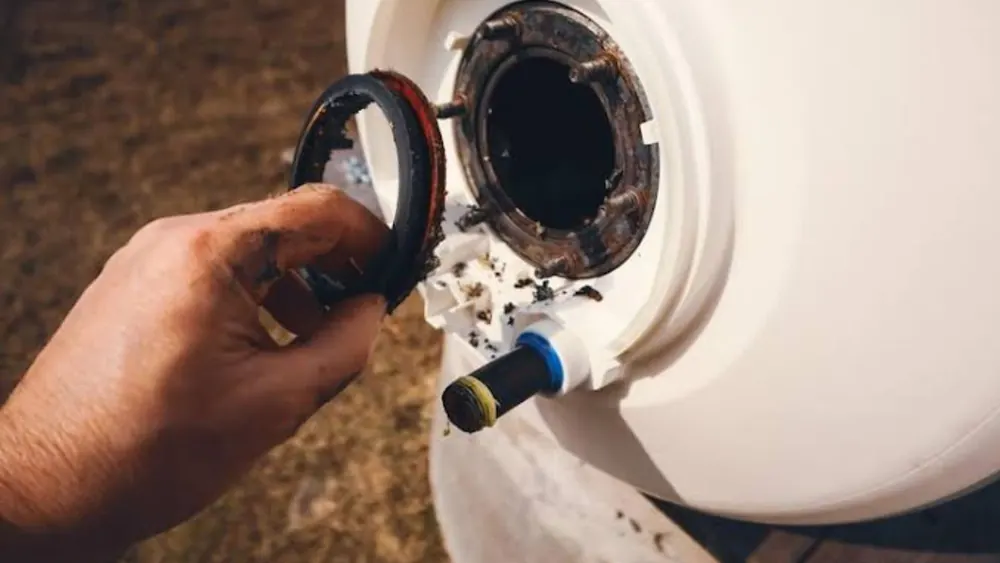
Mistakes to avoid and water heater prevention
- Ignoring a small puddle near the tank because it dries by afternoon
- Keeping the relief valve capped or blocked
- Skipping the strap or brace on a replacement tank
- Draining the tank without turning off its power first
- Storing boxes against the tank, which hides leaks and traps moisture
- Waiting years to replace a tank that is rusty at the fittings
A simple monthly look at the floor around the tank catches most leaks early. A drip pan with a drain line, placed by a plumber, is an inexpensive way to limit damage where the tank sits above living space.
Water heater leak help across the High Desert
We serve 92307 and 92308 and the nearby cities of Victorville, Hesperia and Adelanto. For permit questions on a replacement, the Town of Apple Valley Building and Safety division, which handles plan review and inspections, is the office to ask.
Frequently asked questions
Is emergency water heater leak cleanup available in Apple Valley?
Yes. Dispatch is open 24 hours a day, every day. A crew is sent the same day when one is available, and the dispatcher tells you what to shut off. We do not promise an arrival time.
Do you replace the water heater?
No. A plumber replaces the heater. We remove the water, dry the structure and clean up, and we work around the plumber.
Is tank water safe to handle?
It is usually clean supply water, but it can be hot and it often picks up dirt from the floor. Keep out of it if power is on nearby.
Can a slow leak cause mold?
Yes. Hidden moisture behind baseboards and under flooring can grow mold within days. The EPA says to dry water-damaged areas within 24 to 48 hours.
Does insurance pay for water heater damage?
Sudden failure often leads to coverage for the water damage, but the heater itself and slow leaks often are not covered. Your insurer decides.